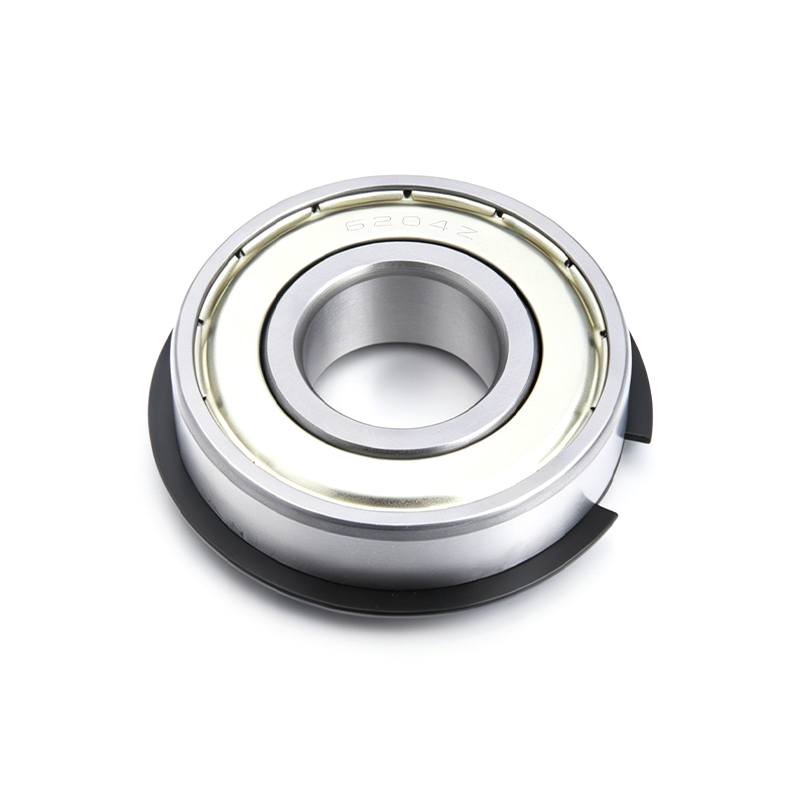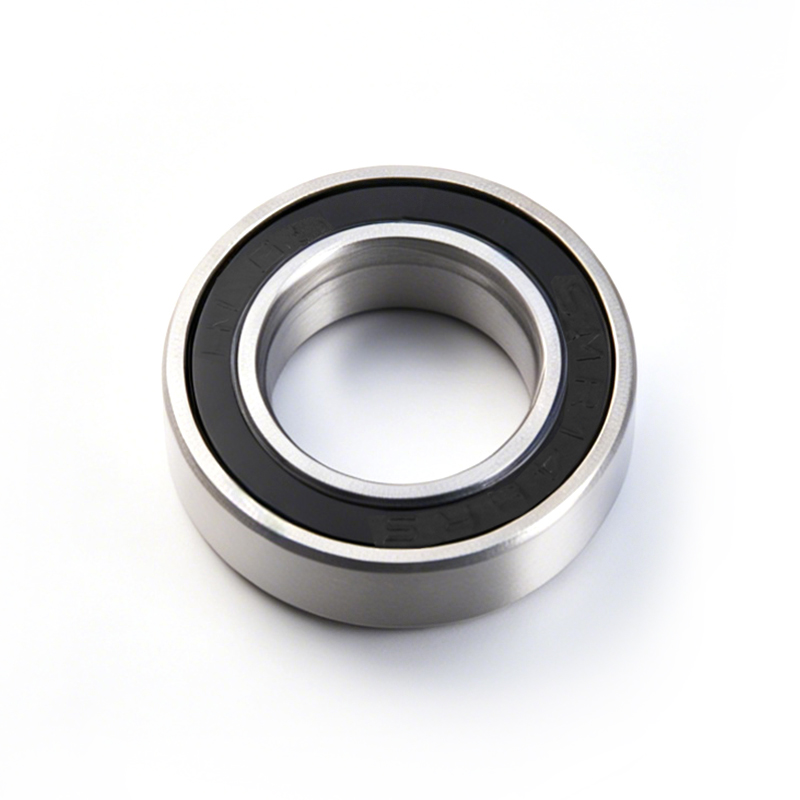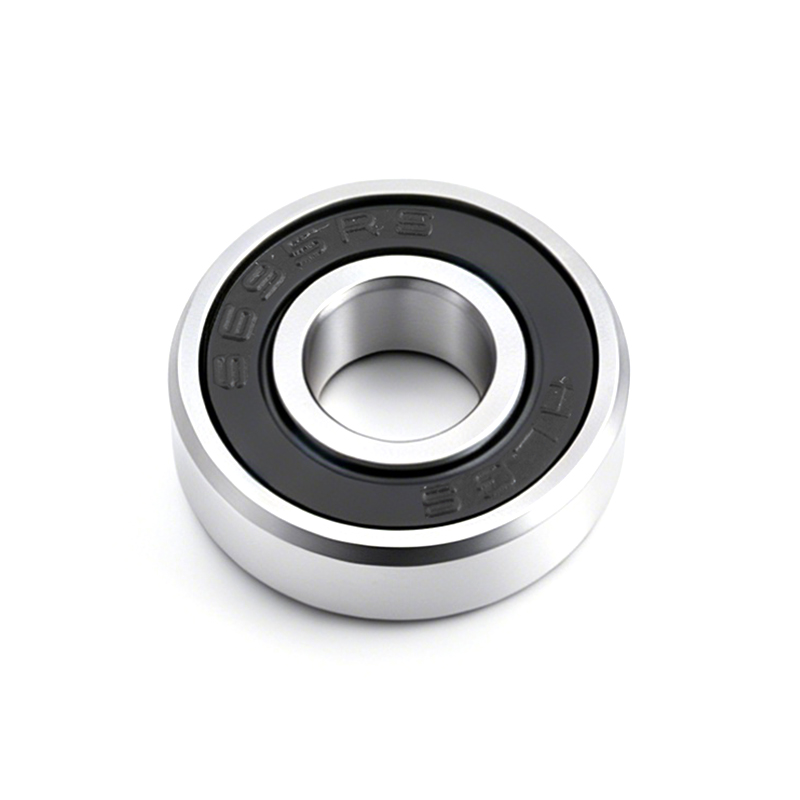
In terms of raw load capacity, a Cylindrical Roller Bearing generally outperforms a Deep Groove Ball Bearing, particularly under radial loads. This is because roller bearings use line contact between the rolling elements and the raceway, distributing load across a larger surface area, while a Deep Groove Ball Bearing relies on point contact, which concentrates stress into a smaller zone. As a result, for the same bore size, a Cylindrical Roller Bearing can typically handle radial loads that are 30% to 50% higher than a comparable Deep Groove Ball Bearing. However, the Deep Groove Ball Bearing holds a clear advantage in handling combined radial and axial loads, as well as in applications requiring higher rotational speeds and lower friction.
Choosing between the two ultimately depends on the direction and magnitude of the load, the required speed, and the available installation space. Below, we break down the technical reasoning behind these differences and provide practical guidance for selecting the right bearing type.
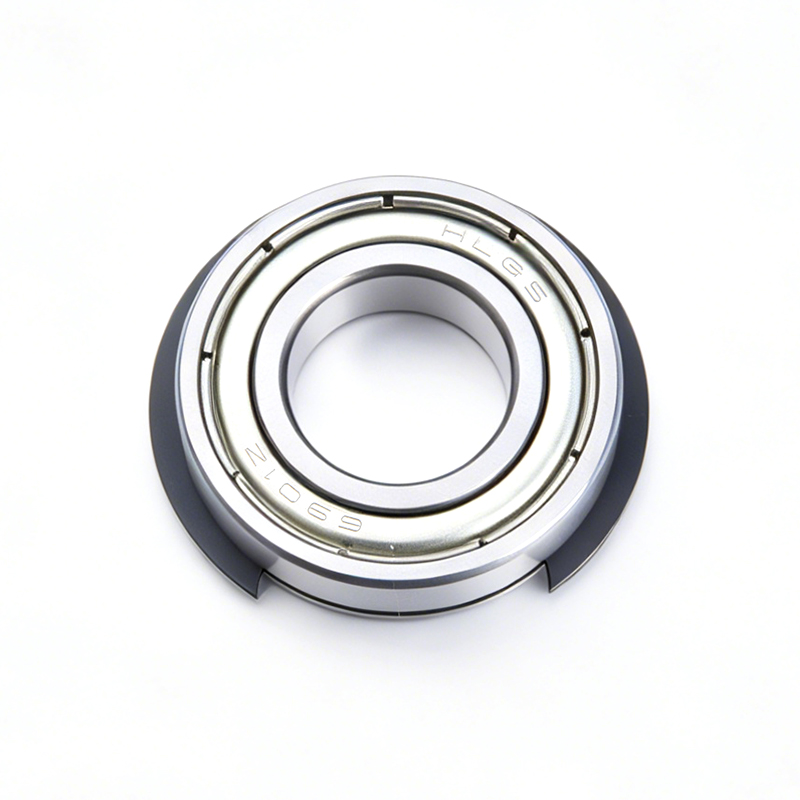
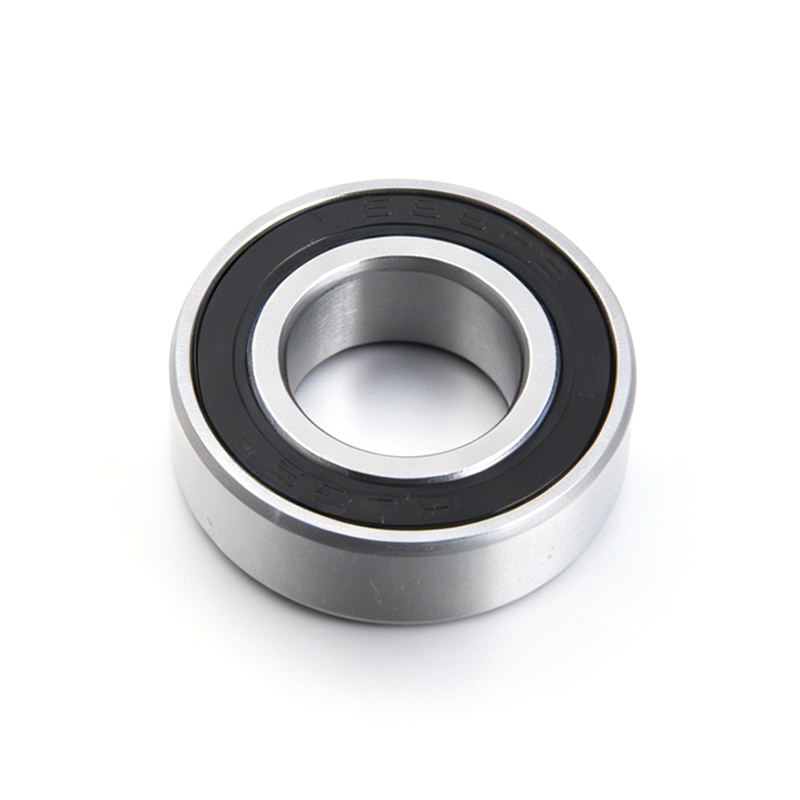
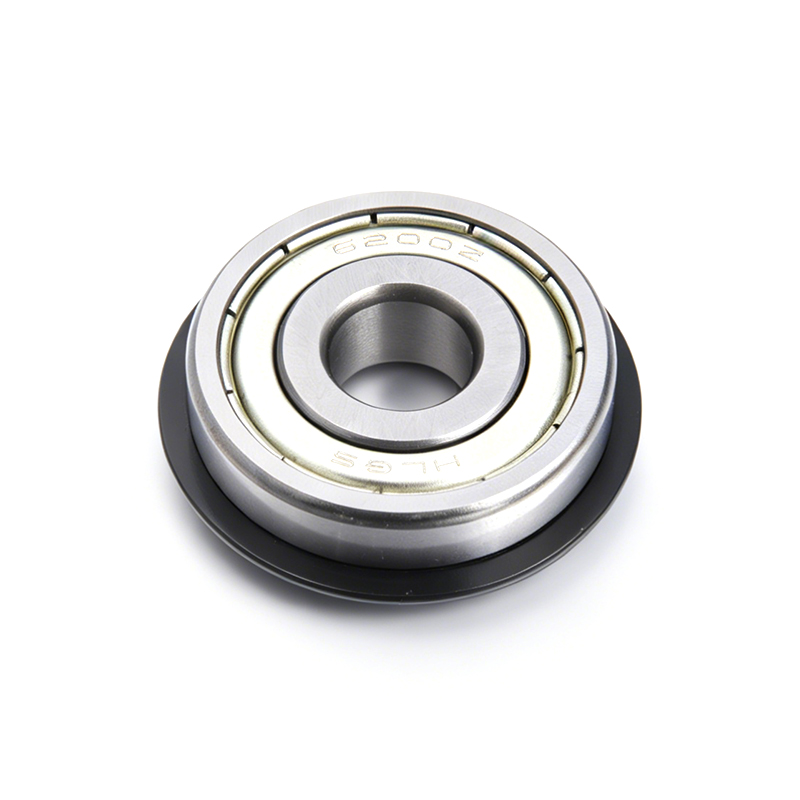
The fundamental difference between these two bearing types lies in how the rolling elements interact with the inner and outer raceways. A Deep Groove Ball Bearing uses spherical balls that touch the raceway at a single point. A single row deep groove ball bearing is the most common configuration, offering a balanced combination of radial and limited axial load support, but the point contact inherently limits how much load can be transferred before stress concentration causes premature wear or deformation.
A Cylindrical Roller Bearing, by contrast, uses cylindrical rollers that make line contact with the raceway. This line contact spreads the applied load over a much larger surface, significantly reducing contact stress per unit area. This is why Cylindrical Roller Bearings are the preferred choice in heavy-duty industrial machinery such as gearboxes, rolling mills, and large electric motors, where radial loads are substantial and axial loads are minimal or nonexistent.
Lower contact stress in a Cylindrical Roller Bearing translates directly into longer fatigue life under heavy radial loads. According to standard bearing life calculations (based on the L10 fatigue life model), a Cylindrical Roller Bearing can achieve a rated dynamic load capacity roughly 40% higher than a same-size Deep Groove Ball Bearing, assuming identical operating speed and lubrication conditions.
The table below illustrates typical dynamic load rating differences for bearings of comparable bore size, based on common industry reference values.
| Bore Size (mm) | Deep Groove Ball Bearing (kN) | Cylindrical Roller Bearing (kN) |
|---|---|---|
| 30 | 19.5 | 28.6 |
| 50 | 35.8 | 52.0 |
| 80 | 58.2 | 89.5 |
These figures are representative rather than absolute, since actual load ratings vary by series, cage design, and material grade. Still, the pattern is consistent: as bore size increases, the gap in radial load capacity between the two bearing types tends to widen further.
While Cylindrical Roller Bearings dominate in pure radial load scenarios, they are largely incapable of supporting axial (thrust) loads unless specifically designed with flanges or combined with a separate thrust bearing. A Deep Groove Ball Bearing, by contrast, can support axial loads in both directions simultaneously with radial loads, making it far more versatile for applications where shaft loading is not purely radial.
This is particularly relevant in electric motors, fans, pumps, and household appliances, where a single-row deep groove ball bearing is often chosen specifically because it eliminates the need for a secondary thrust bearing, simplifying design and reducing overall system cost.
Load capacity does not exist in isolation from speed. A Deep Groove Ball Bearing generates less friction due to point contact, allowing it to operate at higher rotational speeds under lighter loads. A Cylindrical Roller Bearing, while capable of carrying heavier loads, tends to generate more heat at high speeds due to the larger contact area, which can reduce its effective speed rating unless enhanced lubrication or cooling is applied.
This creates a practical trade-off: applications requiring high speed with moderate loads, such as spindles or small motors, often favor the single row deep groove ball bearing, while applications requiring heavy radial loads at moderate speeds, such as industrial gearboxes, favor the Cylindrical Roller Bearing.
Selecting between these two bearing types should be based on a clear understanding of the application's load profile. The following considerations can help guide the decision.
| Characteristic | Deep Groove Ball Bearing | Cylindrical Roller Bearing |
|---|---|---|
| Radial Load Capacity | Moderate | High |
| Axial Load Capacity | Moderate (Bidirectional) | Minimal or None |
| Speed Capability | High | Moderate |
| Misalignment Tolerance | Better | Limited |
In conclusion, neither bearing type is universally superior. The Cylindrical Roller Bearing wins on pure radial load capacity, while the Deep Groove Ball Bearing offers greater versatility across combined loading conditions, higher speeds, and simpler installation. A single row deep groove ball bearing remains one of the most widely used bearing types precisely because it balances these factors effectively across a broad range of general-purpose industrial and commercial applications.
AIMS Industrial. Deep Groove Ball Bearing Guide: 6200/6300, Seals & Brands. aimsindustrial.com.au(2025).
Ningbo Sanya Bearing Co., Ltd. Grooved vs. Deep Groove Ball Bearings: Key Differences & Applications. sanyabearing.com
Lily Bearing. Spherical vs. Cylindrical Roller Bearings: Engineer's Guide. blog.lily-bearing.com
BearingBrain. Ball Bearing vs Roller Bearing: When to Use Which. bearingbrain.com
Fundamental Definitions and Classifications of Miniature Transmission Systems In modern precision me...
What Do Flanged Bearings Do A flanged bearing supports a rotating shaft and locks it in a fixed axi...
Quality is the best, safety first. During business development expenditure, the most core element fo...