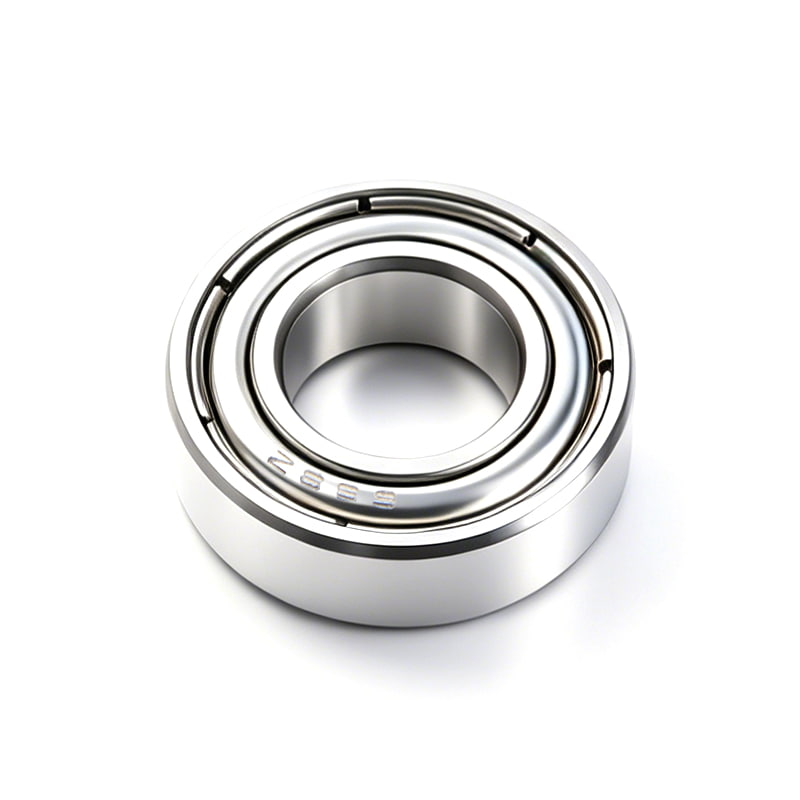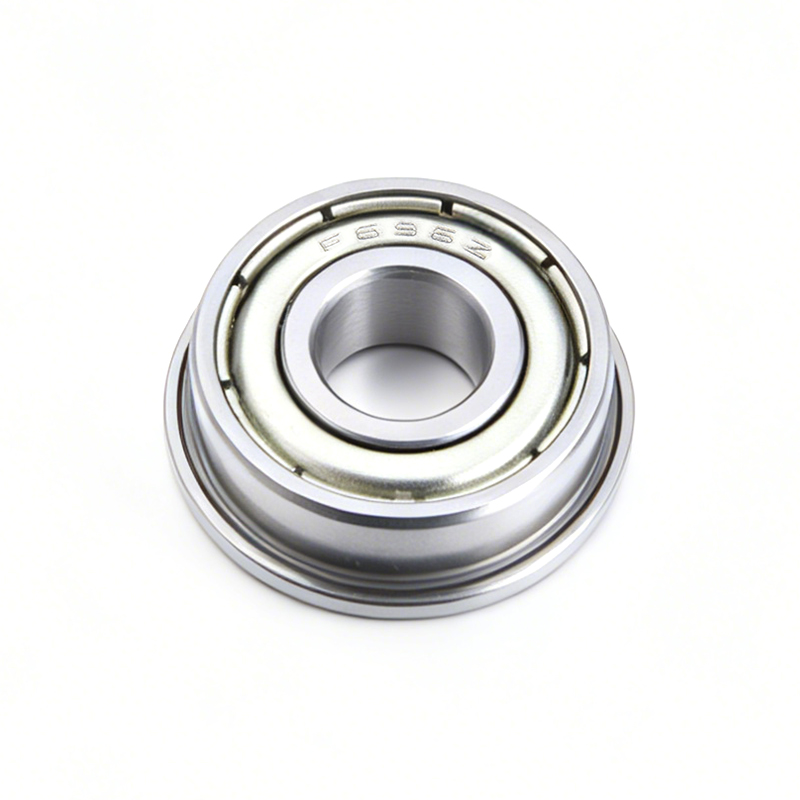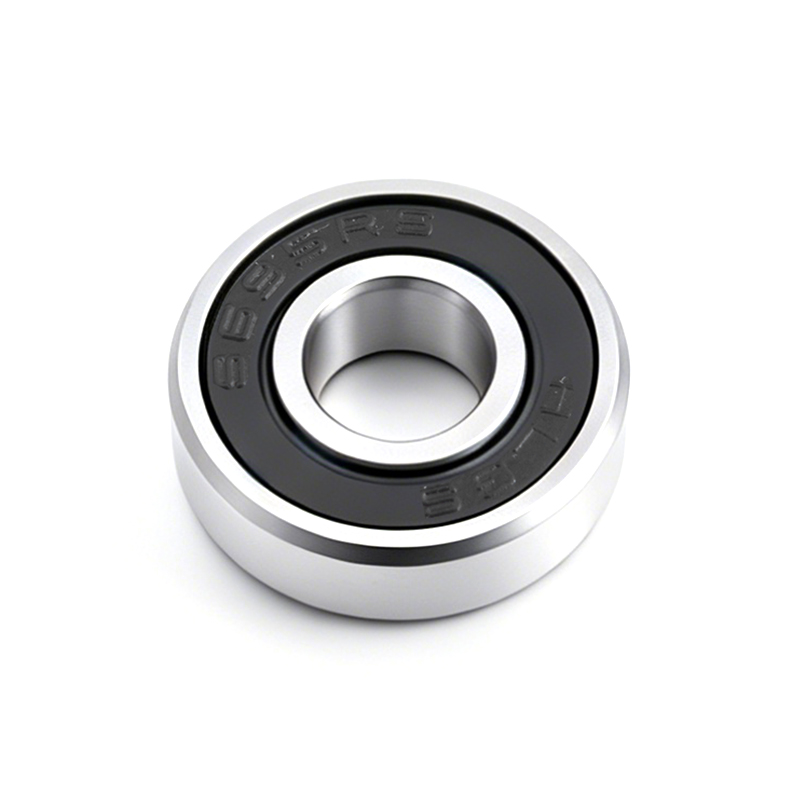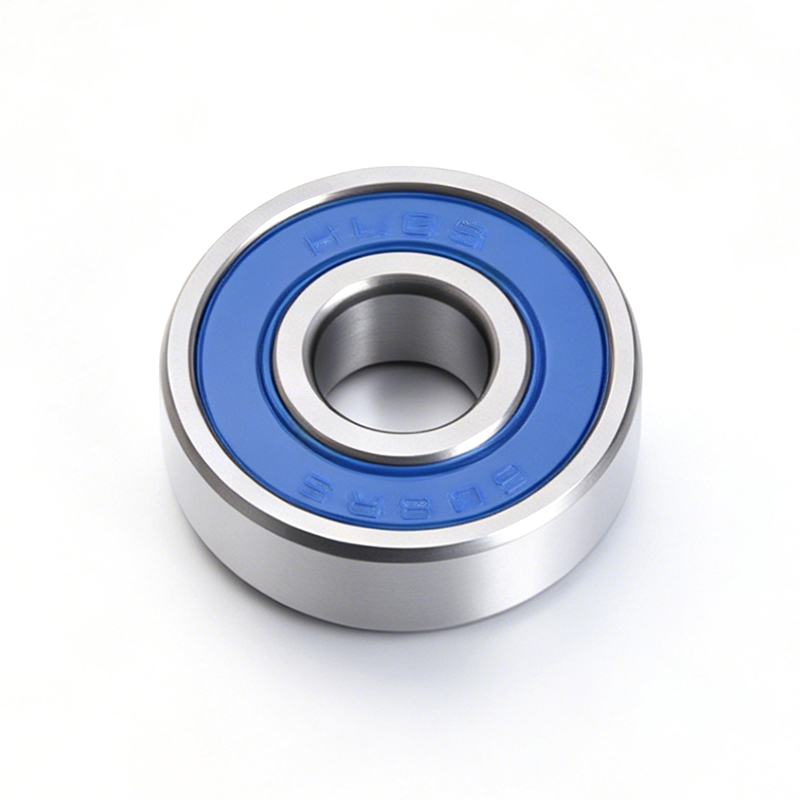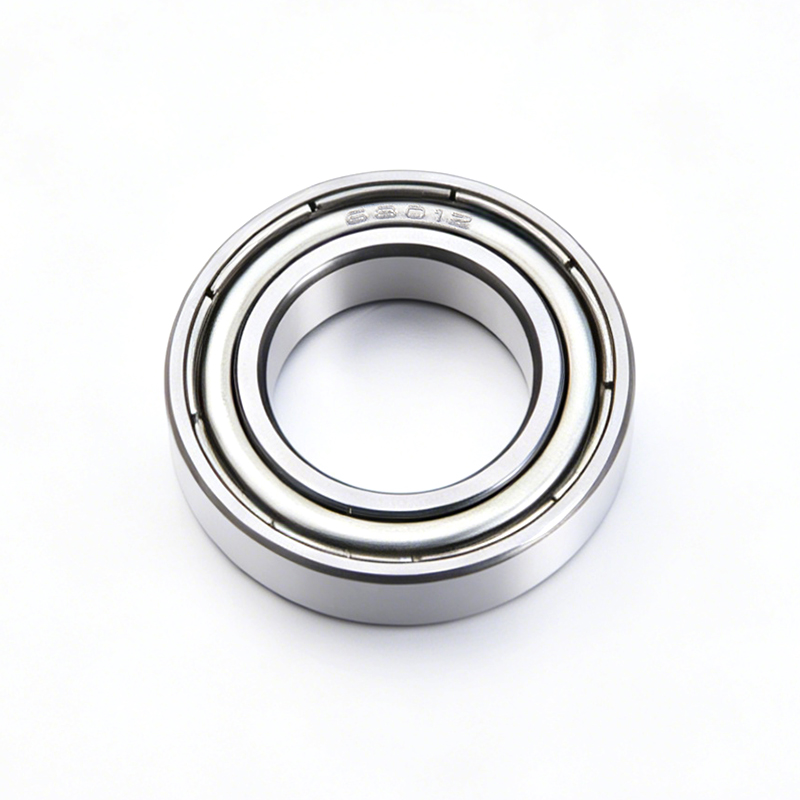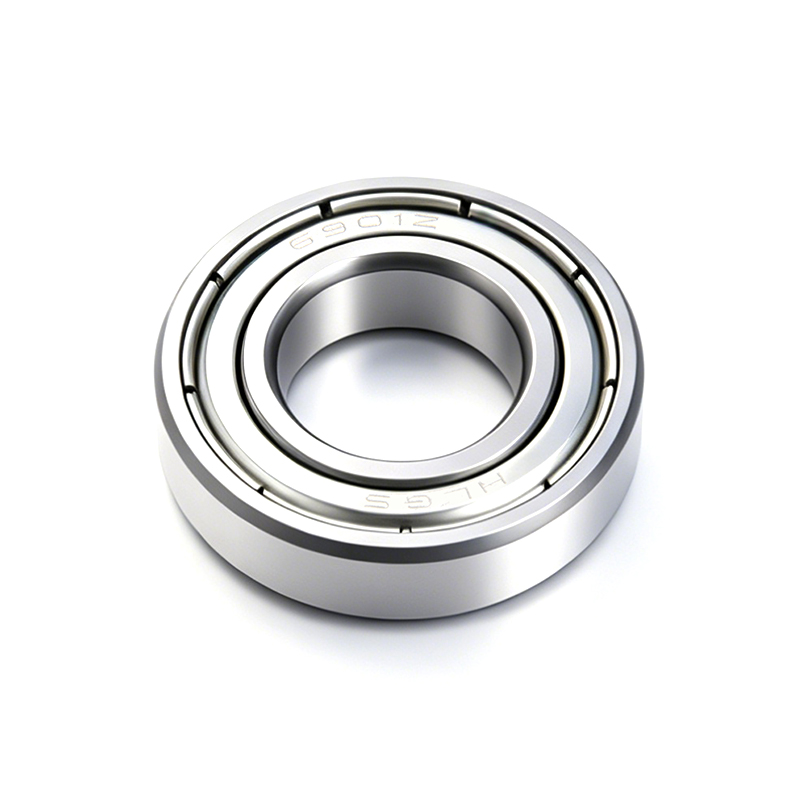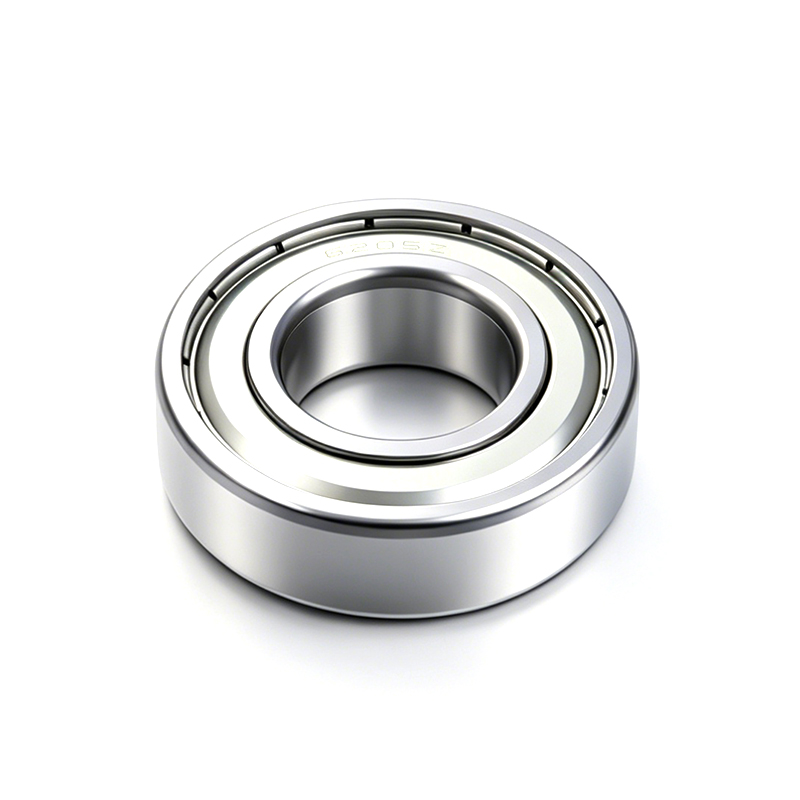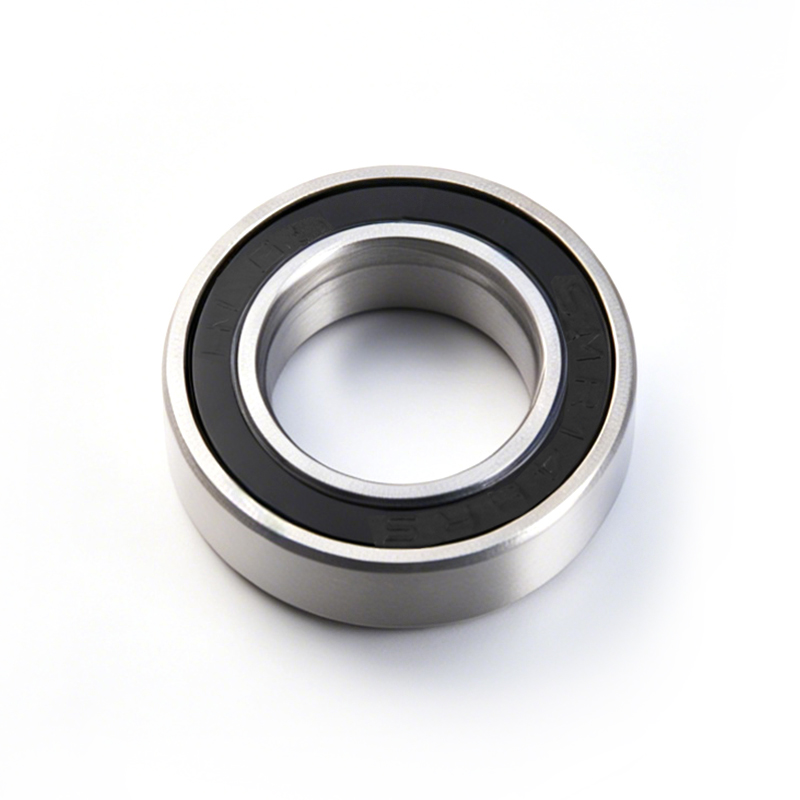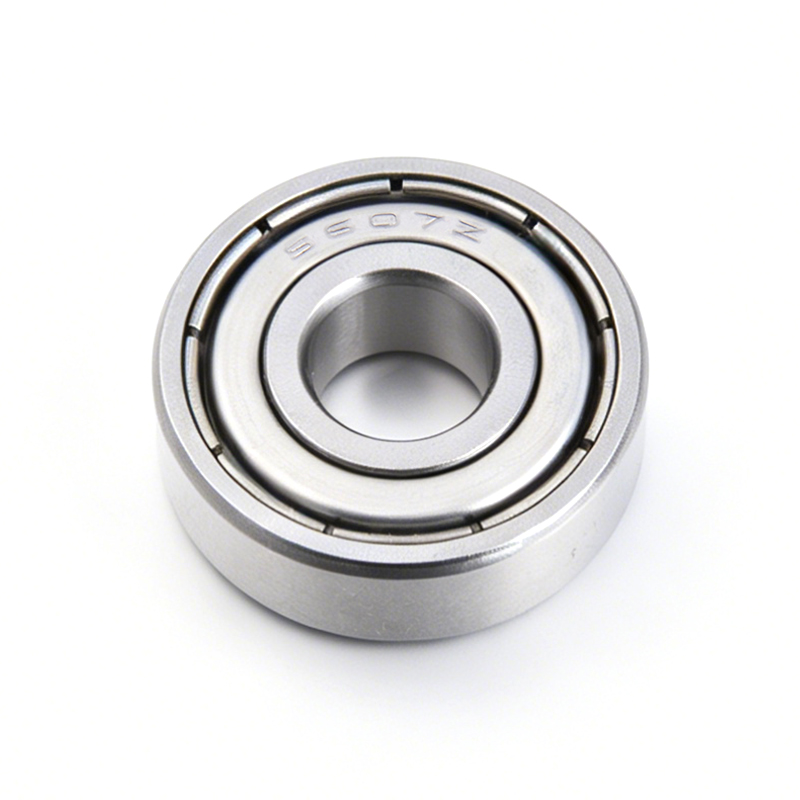
A bearing chart is most useful when it answers a real workshop question: will this bearing fit the shaft, the housing and the space around it? Whether you are matching a worn 608-2RS, checking a 6201 drawing or planning a compact 6901 assembly, the fastest route is to compare three dimensions: bore, outer diameter and width.
At HLGS, we work with these numbers every day as a direct manufacturer of deep groove ball bearings. This guide is written in the same practical spirit: start with the chart, then confirm the details that a size table cannot show. Used that way, a bearing chart by size becomes a helpful first filter rather than a final decision.
Most metric bearing charts list dimensions in millimetres and follow the format ID × OD × W. The inner diameter, or bore, fits the shaft. The outer diameter fits the housing. The width tells you how much axial space the bearing occupies. For a 6205 bearing, for example, the common nominal size is 25 mm bore, 52 mm outside diameter and 15 mm width.
The model number also carries meaning. The series number points to a family with a particular balance of section height and load capacity, while suffixes describe seals, shields, flanges, snap rings or material. A chart that lists only the three main dimensions is still useful, but it is safer to read the model number and suffix at the same time.
The following table covers a useful spread of miniature, small-size, flanged, snap-ring and stainless options. It is intended for early selection and replacement checks, not as a substitute for a current drawing or tolerance review.
| Bearing model | Family or feature | Bore (mm) | OD (mm) | Width (mm) | Typical note |
|---|---|---|---|---|---|
| 608-2RS | Miniature, sealed | 8 | 22 | 7 | Small wheels and compact drives |
| 688ZZ | Miniature, shielded | 8 | 16 | 5 | Space-limited assemblies |
| 698ZZ | Miniature, shielded | 8 | 19 | 6 | Small tools |
| 623-2RS | Miniature, sealed | 3 | 10 | 4 | Very small mechanisms |
| 6000ZZ | 6000 series | 10 | 26 | 8 | General small equipment |
| 6200ZZ | 6200 series | 10 | 30 | 9 | Small motors and power units |
| 6201-2RS | 6200 series, sealed | 12 | 32 | 10 | Compact drives |
| 6204ZZNR | 6200 series, snap ring | 20 | 47 | 14 | Axial location in housings |
| 6205ZZ | 6200 series, industrial | 25 | 52 | 15 | Motors, pumps and machinery |
| 6300ZZ | 6300 series | 10 | 35 | 11 | Higher section in a small bore |
| 6700ZZ | Ultra-thin | 10 | 15 | 4 | Tight axial space |
| 6801ZZ | Ultra-slim | 12 | 21 | 5 | Small motors and precision devices |
| 6901ZZ | Compact | 12 | 24 | 6 | Fans, motors and electronics |
| F696ZZ | Flanged miniature | 6 | 15 | 5 | Small motors with axial location |
| S695-2RS | Stainless miniature | 5 | 13 | 4 | Small fans and light mechanisms |
| SMR148-2RS | Stainless miniature | 8 | 14 | 4 | Small motors and robots |
For many standard metric bearings, the last two digits of the model number give the bore size when the number is 04 or higher. Multiply those two digits by five. A 6205 therefore has a 25 mm bore, and a 6204 has a 20 mm bore. The small end of the scale has fixed values: 00 means 10 mm, 01 means 12 mm, 02 means 15 mm and 03 means 17 mm.
Miniature numbers need more care. A 608, 688 or 698 does not follow the same simple rule as a 6205. A 608 has an 8 mm bore, a 623 has a 3 mm bore and a 695 has a 5 mm bore. This is why a chart is helpful, but the model number should always be checked against the manufacturer’s current data.
The 6000 series is a light, compact choice for small equipment. The 6200 series is the familiar middle ground: it offers a practical balance of bore, outside diameter and load capacity, which is why it appears in motors, pumps and many general mechanisms. The 6300 series uses a heavier section for its bore, giving more capacity when the shaft is small but the load is higher.
These families are often chosen when axial space is tight. The 6700 series is extremely thin, the 6800 series offers a slim section, and the 6900 series provides a compact envelope for fans, small motors and electronic devices. In each case, confirm the housing shoulder and shaft fit rather than relying on the width alone.
Miniature bearings are not simply small versions of larger bearings. At this scale, shield choice, lubricant quantity and housing fit have a visible effect on noise and running smoothness. A 608-2RS, 688ZZ or 698ZZ may share a similar bore, but the outer diameter and width decide whether it suits a compact motor, a small tool or a precision assembly.
Mini Deep Groove Ball Bearings SuppliersMiniature Bearings are precision rolling bearings with an outer diameter generally less than 9mm, mainly miniature deep groove ball bearings in common series such as 6...View Product →
A flanged bearing adds a locating shoulder to the outer ring, which can simplify housing design and axial positioning. A snap-ring bearing takes a different route, using a groove and ring to hold the bearing in place. The dimensions in a chart usually describe the bearing body; the flange or ring detail still needs a separate check. Our flanged bearing selection guide explains those differences in more detail.
F696ZZ Shielded Flange BearingA compact 6×15×5 mm flanged bearing with an integrated locating shoulder, useful for stable positioning in small motors and space-limited precision assemblies.View Product →
Stainless bearings such as S607ZZ, S688-2RS, S695-2RS and SMR148-2RS are often considered where moisture, cleaning or light corrosion exposure is part of the application. The size chart still applies, but the material and sealing choice should be matched to the environment rather than selected by dimensions alone.
S695-2RS Stainless Steel Miniature BearingA 5×13×4 mm stainless steel miniature bearing suited to moisture or cleaning exposure, small fans, toys, precision tools and space-limited equipment.View Product →Small differences matter. A bearing that measures close to a chart value may still have a different tolerance class, internal clearance or seal design. For replacement work, measure the shaft and housing as well, because wear in those parts can make a correctly sized bearing feel wrong.
A size chart is a starting point, not a complete selection method. Before confirming a bearing, consider the load direction and magnitude, running speed, required clearance, lubrication, operating temperature and contamination risk. Also check whether the housing needs a flange, snap ring or shoulder, and whether the application calls for stainless steel or a particular seal material.
When a standard size is close but not quite right, a direct manufacturing conversation can save time. HLGS supplies deep groove ball bearings across miniature, small-size, flanged, snap-ring, stainless and non-standard categories. Our team can review a drawing, a sample or a measured set of dimensions and help confirm whether a catalog model is suitable or whether an OEM/ODM approach makes more sense.
We also understand that a bearing is rarely chosen in isolation. It sits inside a motor, a fan, a pump, a power tool or a piece of food machinery, and the surrounding design affects the result. That is why we prefer to talk through the application as well as the size chart, so the final choice supports smooth running and reliable assembly.
Measure the bore, outside diameter and width in millimetres, then compare those three values with a bearing chart. Confirm the model number and suffix before ordering, because flanges, snap rings and seals can change the required housing space.
It is enough to narrow the options, but not enough for a final decision. Check load, speed, clearance, lubrication, sealing and housing fit. For critical equipment, use the drawing or ask the manufacturer to confirm the specification.
For a 6205, the last two digits are 05. Multiply 5 by 5 mm to get a 25 mm bore. The 6200 series family then indicates the outer diameter and width according to the standard boundary dimensions.
ZZ normally means metal shields on both sides, while 2RS normally means rubber seals on both sides. Shields are often used for general protection, while seals are commonly selected where dust, moisture or lubrication retention is a greater concern.
Yes. Our non-standard bearing category is intended for customers who need dimensions, structures or design details outside the standard catalog. Share a drawing, sample or measured requirements, and our team can review the best production route.
If you have ever tipped a box of loose bearings onto a workbench and then spent twenty minutes with...
Most people arrive at ball bearing dimensions from one of two directions: a machine is open on the ...
Picture a small electric motor bolted to the housing of a pump. The belt is tensioned, the shaft is...
The Direct Answer: A Deep Groove Ball Bearing Supports Both Radial and Axial Loads Using a Simple, ...