Imagine a small electric motor in a kitchen appliance that starts making a grinding noise after a few months. The most likely culprit is a bearing that was selected without a clear view of its expected load, speed, and operating environment. After years of manufacturing deep groove ball bearings, I have seen these components work reliably in everything from skateboards to industrial pumps, but they are not a universal fix. The practical conclusion is simple: deep groove ball bearings offer a strong balance of cost, speed, and versatility, yet they have limits that can cost you money if ignored.
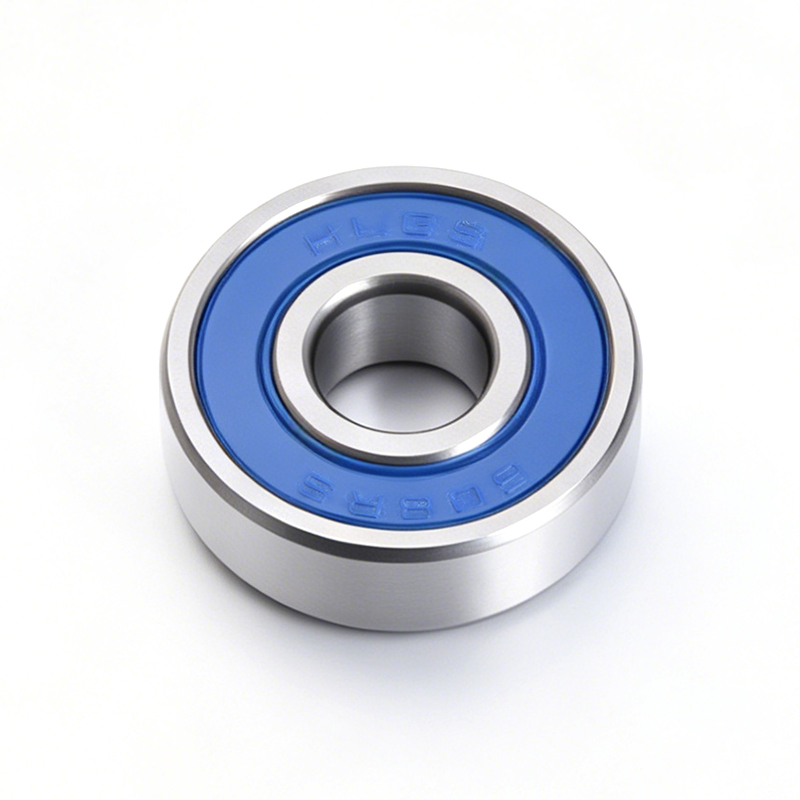
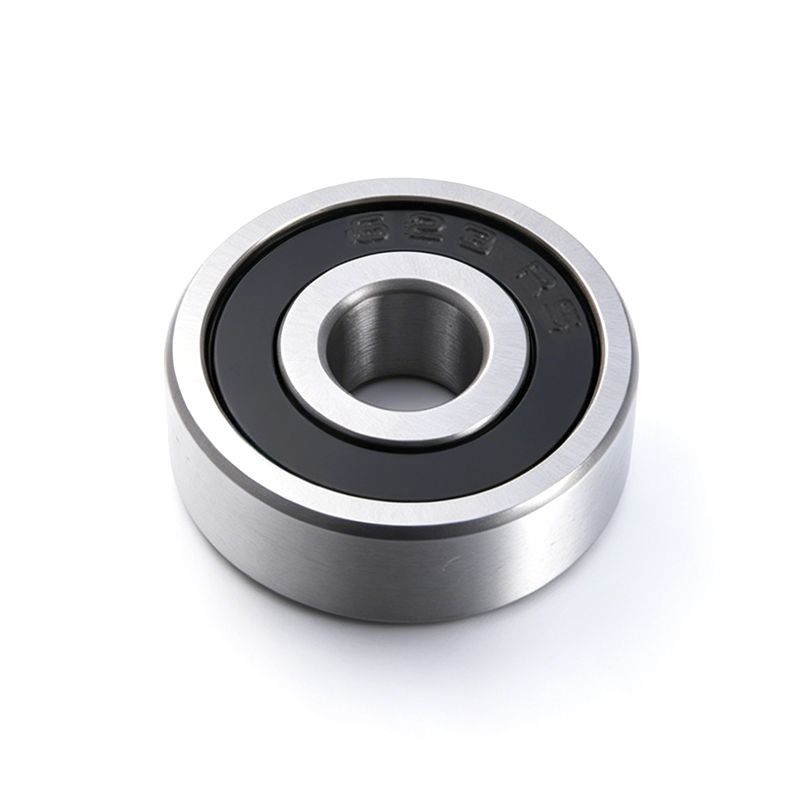
A deep groove ball bearing consists of an inner ring, an outer ring, a cage, and a set of balls that roll in deep raceway grooves. The depth of these grooves gives the bearing its name and allows it to handle radial loads as well as moderate axial loads in both directions.
When the shaft rotates, the balls transfer the load from the inner raceway to the outer raceway with minimal sliding friction. The cage keeps the balls evenly spaced and prevents contact between them. This simple mechanism is why deep groove ball bearings are so widely used in electric motors, household appliances, automotive components, food machinery, and power tools.
From a buyer's perspective, the advantages can be grouped into a few practical categories that affect total cost of ownership.
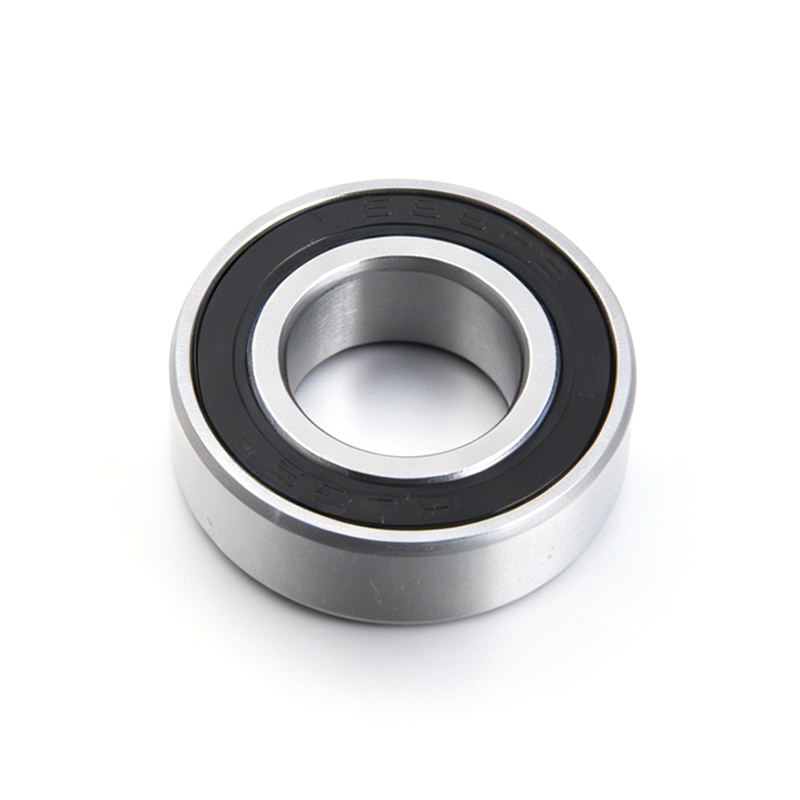
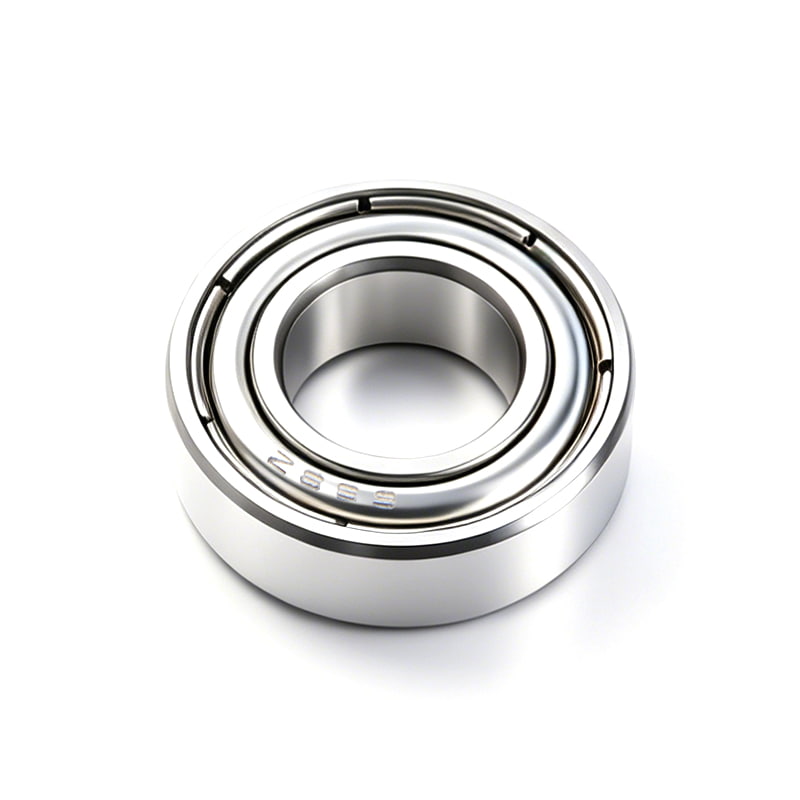
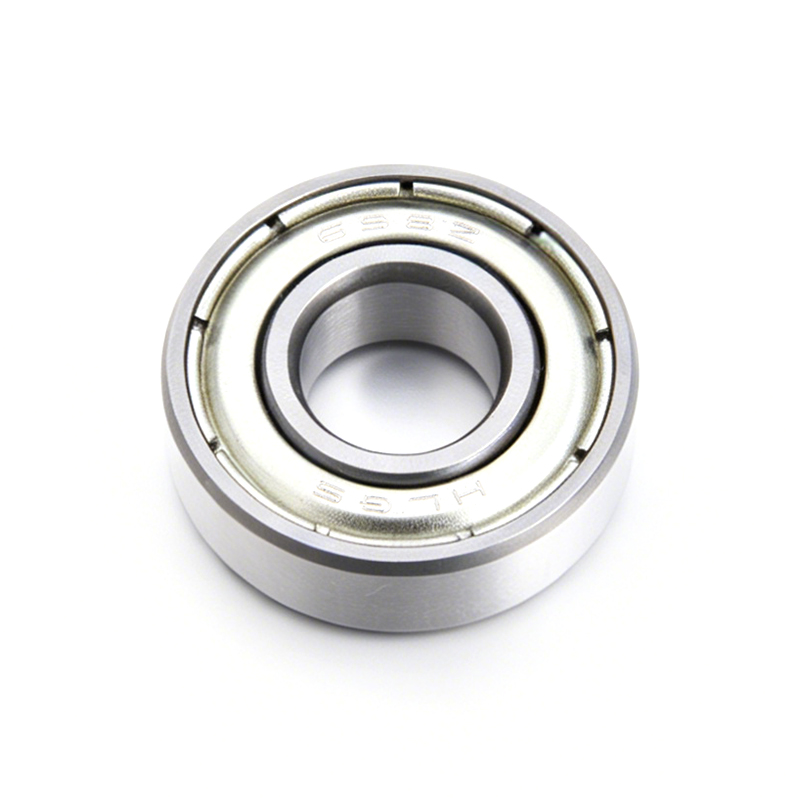
Deep groove ball bearings are available in a huge range of bore sizes, outer diameters, seal types, and materials. Standard carbon steel versions work for general machinery, while stainless steel versions handle wet or corrosive environments. Miniature bearings fit small motors, and flanged or snap-ring designs solve specific mounting problems. This versatility reduces the need to redesign a shaft or housing when you need a different load capacity.
The deep raceway geometry provides smooth rolling contact, which lowers friction torque and heat generation. Low friction translates into higher allowable speeds, quieter operation, and better energy efficiency. For applications such as small fans, electric tools, and precision devices, this is often the deciding factor.
Deep groove ball bearings are manufactured in extremely high volumes, so unit prices remain competitive. They do not require regular adjustment, and with a proper seal or shield, they can run for thousands of hours without re-lubrication. Compared with more complex bearing types, the maintenance burden is significantly lower.
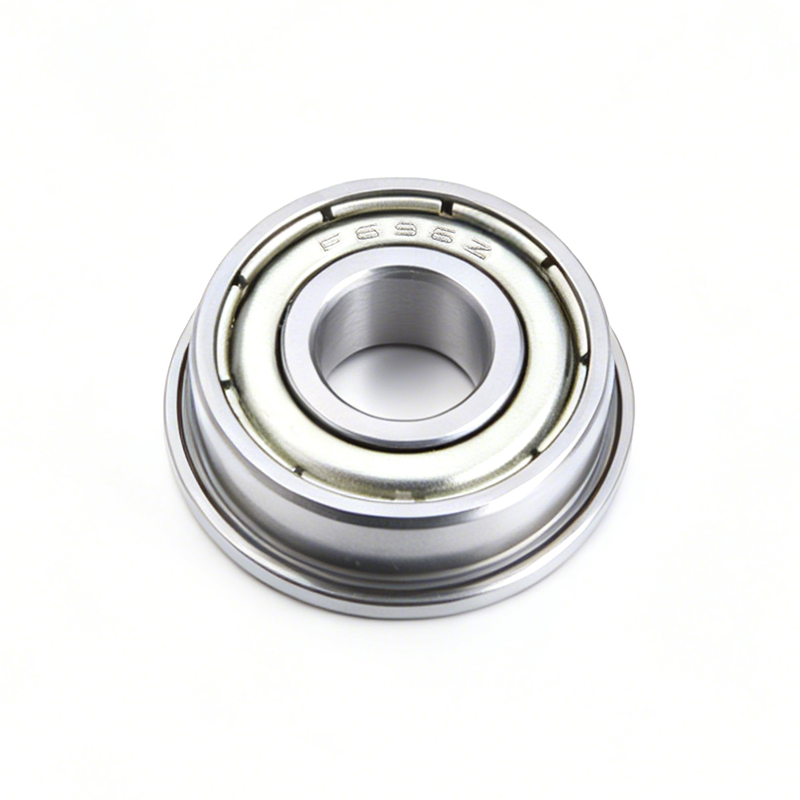
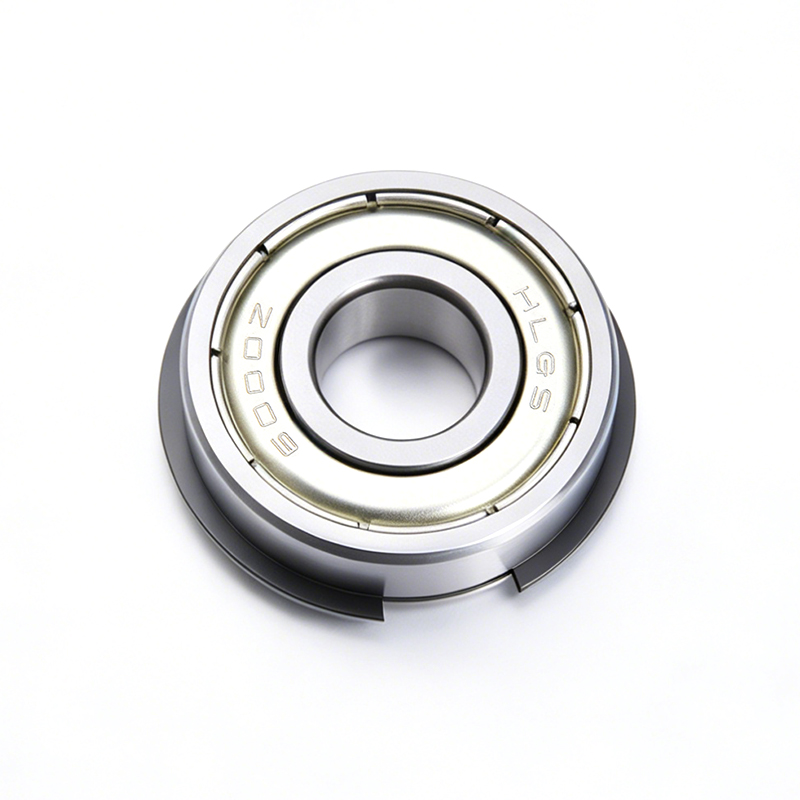
In many assemblies, space is tight. Flanged deep groove ball bearings add a mounting flange that allows axial location without a separate housing step, saving both space and machining cost. The same design principles also work well for small and medium motors where quiet operation is important.
F696ZZ Shielded Flange Bearing Ensures Smooth Running for Small MotorsThe F696ZZ flanged bearing features a standard size of 6×15×5mm, with an integrated flange for easy positioning and stable installation in compact spaces. Made from hi...View Product →
When you combine reduced space with reliable running, the total number of parts in an assembly can drop, which simplifies procurement and reduces assembly time.
Knowing the drawbacks is just as important as knowing the benefits. Ignoring these limits can lead to premature bearing failure and unexpected downtime.
Despite being able to accept some axial load in both directions, deep groove ball bearings are not designed for heavy thrust loads. If a shaft experiences a large axial force, an angular contact bearing or thrust bearing is a better choice. Exceeding the axial load rating causes excessive ball sliding and rapid wear.
The contact area between a ball and the raceway is very small. A sharp impact, such as a hard alignment mistake during assembly, can create indentations on the raceway, producing vibration and noise. This makes deep groove ball bearings more vulnerable in machinery with frequent starts and stops or heavy shock load.
Deep groove ball bearings require reasonable alignment between the shaft and the housing bore. If the shaft is bent or the housing has poor roundness, the load distribution becomes uneven and the bearing life shortens dramatically. This is why correct mounting and careful tolerance control are critical.
Standard carbon steel bearings are prone to rust when exposed to moisture or aggressive cleaning chemicals. In food processing, pharmaceutical, or outdoor applications, this risk can be severe. Using stainless steel deep groove ball bearings is a practical way to reduce corrosion failures, although the material cost is higher.
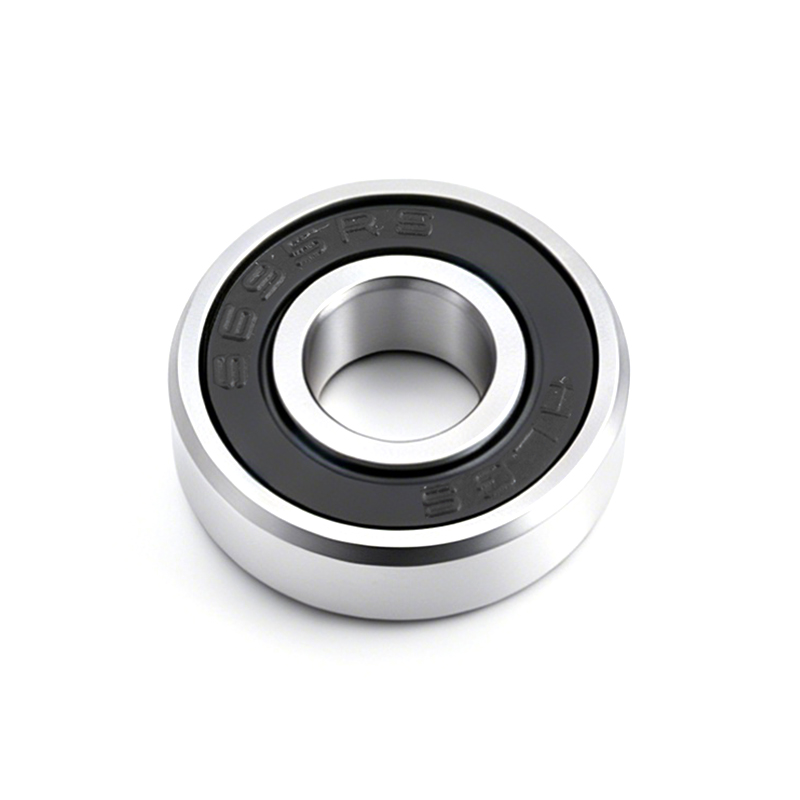
S695-2RS Industrial Grade Bearing Is Suitable for Small Fans, Toys and Precision ToolsThe S695-2RS stainless steel miniature bearing has a compact size of 5×13×4mm, ideal for space‑limited precision equipment. Crafted from corrosion-resistant stainless ...View Product →
Even with stainless steel, proper sealing remains necessary because contamination can still enter through running gaps.
Choosing a deep groove ball bearing is not only about the bearing number. You also need to verify the load direction, speed, operating temperature, contamination level, and available mounting space. The table below summarizes the options that are commonly selected for different conditions.
| Option | Best Suited For | Watch Out For |
|---|---|---|
| Open bearing | High-speed, well-lubricated applications | Needs frequent re-lubrication; contamination risk |
| Metal shield | General industrial use; fine dust | Slightly higher starting torque; not for heavy moisture |
| Rubber seal | Dusty or wet environments | Lower speed limit; may add drag |
| Stainless steel | Food, chemical, marine environments | Higher material cost; similar load rating |
| Flanged type | Space-limited, quick axial location | Larger outer diameter; needs matched housing |
For a deeper look at flange designs, this flanged bearing selection guide explains the differences between F6000ZZ, F608ZZ, and other series.
For small motors, fans, robots, and lightweight tools, miniature deep groove ball bearings help reduce mass and friction. The 608-2RS is a common example that balances compactness with a decent load rating.
608-2RS Deep Groove Ball Bearing for Ideal for Skate, Power Tool and Mini MotorThe 608-2RS Deep Groove Ball Bearing is a cornerstone of modern mechanical engineering, renowned as one of the most widely used miniature bearing types; celebrated for...View Product →
However, don't automatically select the smallest bearing; especially at high speeds, a slightly larger bearing with the same bore can run cooler and last longer.
Deep groove ball bearings are a reliable, economical choice for many applications. Their strengths are versatility, high-speed performance, low friction, and ease of maintenance. Their weaknesses appear when axial loads are heavy, shock or misalignment is present, or the environment is highly corrosive. By understanding these trade-offs and selecting the correct seal, material, and size, you can avoid premature failures and reduce total assembly cost.
If you are evaluating a specific motor, pump, or tool, start with the actual operating conditions rather than the popular size. Visit our deep groove ball bearing category to review standard options, and always confirm load ratings and dimensions with your supplier before finalizing a design.
The Direct Answer: A Deep Groove Ball Bearing Supports Both Radial and Axial Loads Using a Simple, ...
A motor that has run for years rarely announces a bearing failure early. The first sign is a low hu...
If you are selecting a deep groove ball bearing for a motor, pump, or gearbox, the first question i...
A spindle starts to leave a faint chatter mark at 8,000 rpm. The deep groove ball bearing meets its...